
How to Simplify Your Employee Rewards Using a POS System
In today’s competitive business environment, employee motivation and satisfaction are vital to ensuring long-term success. One proven way to engage your workforce is through an effective rewards program. But managing rewards manually can become tedious, error-prone, and difficult to track. That’s where a modern Point-of-Sale (POS) system comes in—offering a smart, integrated solution to simplify and automate your employee rewards strategy.
What Is a POS System?
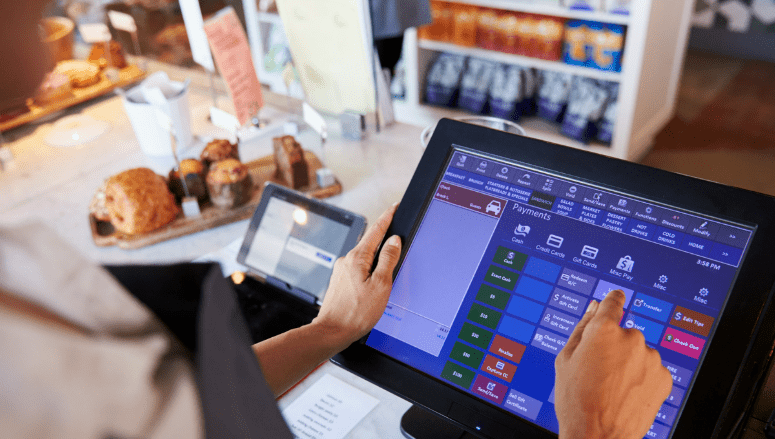
A POS system is more than just a sales transaction tool—it’s a robust digital platform that combines sales, inventory, and customer data into one system. Modern cloud-based POS systems also offer features like employee management, loyalty tracking, and performance analytics, making them a powerful tool not only for sales, but also for managing and motivating staff.
Why Use a POS System for Employee Rewards?
Using a POS system to manage employee rewards removes the guesswork and manual work from traditional reward systems. Here’s how:
1. Track Employee Performance Automatically
With a POS system, you can automatically track key performance metrics such as:
- Number of sales completed
- Average transaction value
- Upselling success
- Customer feedback or satisfaction scores
These real-time insights help managers recognize top performers accurately and without bias—making rewards truly performance-based.
2. Set Clear, Measurable Goals
POS systems let you set specific sales or service targets for employees. For example:
- Sell 100 units of a product in a month
- Achieve 90% customer satisfaction rating
- Upsell premium products in 25% of transactions
This creates a transparent, gamified environment where employees know exactly what they need to achieve to earn rewards.
3. Automate Reward Distribution
You can link employee milestones in the POS system to automated reward triggers:
- Issue instant gift cards
- Apply bonuses to payroll
- Generate achievement certificates
- Notify managers of reward eligibility
Automation ensures rewards are timely and consistent—boosting morale and reducing administrative burden.
4. Personalize Rewards Based on Insights
POS analytics help you understand individual employee behaviors and preferences. This allows you to personalize rewards:
- Offer extra time off to employees who value flexibility
- Provide commission bonuses to top sellers
- Reward customer service agents with dining or retail vouchers
Personalized rewards feel more meaningful, increasing employee engagement.
5. Reduce Administrative Time and Errors
Traditional reward systems often rely on spreadsheets or manual reporting, which can lead to mistakes and delayed recognition. A POS system:
- Centralizes all employee data
- Minimizes errors in calculations
- Reduces the need for manual tracking
- Saves HR and managers significant time
6. Build a Culture of Recognition
Using POS systems to reward staff builds a culture where achievements are noticed and celebrated regularly. With features like performance dashboards and leaderboards, employees can see where they stand, and managers can quickly identify who deserves recognition.
Final Thoughts
A POS system isn’t just a tool for processing sales—it’s a strategic asset for business operations and employee engagement. By integrating employee reward management into your POS, you create a seamless, data-driven, and motivating experience for your team. Whether you’re running a retail shop, restaurant, or service business, simplifying your employee rewards with a POS system leads to better performance, happier staff, and stronger customer experiences.