
Tata Consultancy Services Strengthens HR Policies to Combat Workplace Harassment in 2026
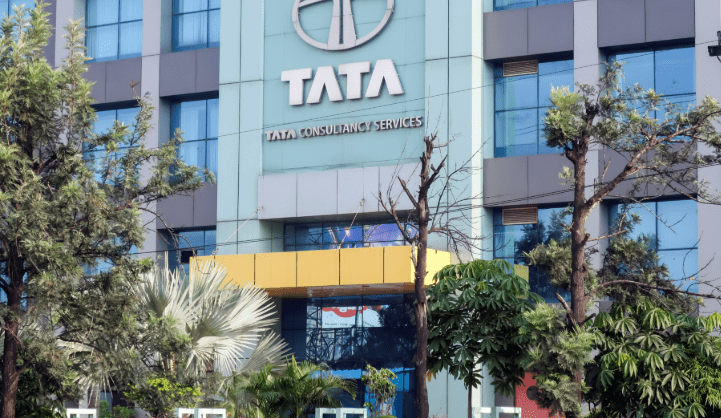
In 2026, Tata Consultancy Services (TCS), one of India’s leading IT giants, has taken a firm and proactive stance against workplace harassment by introducing enhanced HR policies and employee protection frameworks. As organizations worldwide face increasing scrutiny over workplace culture and employee well-being, TCS is positioning itself as a leader in creating a safe, inclusive, and respectful work environment.
The company recently rolled out a series of updated guidelines aimed at preventing harassment of any kind—be it verbal, physical, psychological, or digital. These policies emphasize zero tolerance and ensure that every complaint is handled with confidentiality, fairness, and urgency. With a workforce spread across multiple countries and diverse cultural backgrounds, TCS has recognized the importance of building a standardized yet adaptable system to address employee concerns effectively.
A key highlight of the initiative is the strengthening of Internal Complaints Committees (ICCs), which are now more accessible and digitally integrated. Employees can report incidents through secure, anonymous platforms, ensuring that fear of retaliation does not prevent individuals from speaking up. The HR department has also implemented faster resolution timelines, aiming to address and close cases more efficiently than before.
In addition to reactive measures, TCS is focusing heavily on prevention through awareness and education. Mandatory training sessions, workshops, and interactive modules are being conducted regularly to educate employees about workplace behavior, boundaries, and legal rights. Managers and team leaders are receiving specialized training to identify early signs of misconduct and intervene before situations escalate.
Mental health and emotional safety have also become central to the company’s approach. TCS has expanded its employee assistance programs, offering counseling services and support systems for individuals affected by harassment or workplace stress. This holistic approach reflects a broader shift in HR practices where employee well-being is treated as a core business priority rather than a secondary concern.
Industry analysts note that such steps are increasingly necessary as the modern workplace evolves, especially with the rise of hybrid and remote work models. Virtual environments have introduced new forms of communication, sometimes blurring professional boundaries. TCS’s updated policies also address digital conduct, ensuring that harassment through online platforms is taken just as seriously as in-office incidents.
The move has been widely welcomed by employees and HR experts, who believe that strong policies backed by consistent enforcement are key to building trust within organizations. By prioritizing transparency, accountability, and employee dignity, TCS is setting a benchmark for other companies in the IT sector and beyond.
As workplace expectations continue to evolve in 2026, initiatives like these highlight the growing role of HR in shaping ethical, safe, and inclusive professional environments. For TCS, the message is clear: a respectful workplace is not just a policy requirement, but a foundation for long-term success and employee satisfaction.