
AI Is Reshaping Human Resources as Companies Shift Toward Skills-Based Hiring and Intelligent Workforce Management
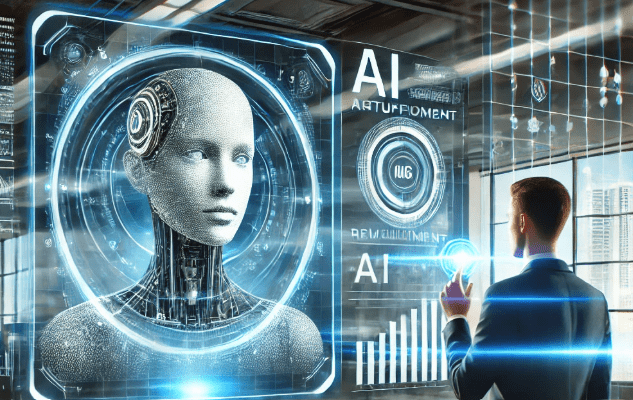
Human Resources is entering a new phase as artificial intelligence moves beyond simple automation and becomes increasingly embedded in recruitment, employee development, workforce planning and everyday HR operations. In 2026, organizations are increasingly using AI to analyze workforce data, identify skills gaps, improve talent acquisition and personalize employee experiences, while HR leaders are simultaneously being asked to address concerns around transparency, bias, privacy and the changing nature of work. Gartner identifies harnessing AI as one of the top priorities for CHROs in 2026, reflecting how quickly HR is moving from an administrative function toward a technology-enabled strategic role.
One of the most significant changes is taking place in talent acquisition. AI-powered recruitment systems can help organizations screen large volumes of applications, identify candidates based on skills and experience, automate communication and support recruiters in matching talent with suitable roles. However, the growing use of automated hiring is also creating new questions about fairness and accountability. Recent reporting has highlighted lawsuits and concerns surrounding AI hiring systems that candidates say can make opaque or potentially discriminatory decisions without providing enough explanation. This has increased pressure on employers to maintain human oversight and ensure that AI-assisted decisions can be reviewed.
The shift is also changing what companies mean by a “qualified candidate.” Traditional recruitment has often relied heavily on job titles, degrees and years of experience. The emerging model increasingly emphasizes skills, capabilities and demonstrated performance. This is particularly important as AI changes existing jobs and creates demand for new combinations of technical and human skills. SHRM notes that more than a quarter of organizations reported that filling full-time positions required new skills, with nearly half saying existing roles had been updated with new skill requirements.
For HR departments, this means workforce planning is becoming more dynamic. Instead of simply asking how many employees a company needs, HR leaders increasingly need to understand which skills the organization will require six months, one year or several years from now. AI-powered people analytics can help organizations map employee capabilities, identify shortages and recommend learning or reskilling opportunities.
This is particularly important as businesses adopt generative AI and automation. Employees are increasingly expected to work alongside AI tools, which means organizations must invest not only in technology but also in training. Recent HR technology research from SHRM found that 52% of workers surveyed said they were not receiving the AI training they needed, while 43% of managers said they felt poorly or not at all equipped to provide that training.
The implication is clear: AI adoption without workforce preparation can create a significant organizational gap.
HR therefore has a growing responsibility to make employees AI-ready. Training programs are likely to move beyond generic digital-skills courses toward role-specific AI education. A marketing employee may need training in AI-assisted content creation and analytics, while a finance professional may need AI skills for forecasting and data analysis. Engineers may use AI for development and simulation, while recruiters may use AI for candidate research and talent intelligence.
Another major development is the emergence of AI-first HR operations. Traditional HR technology primarily digitized administrative processes such as payroll, attendance, employee records and leave management. New AI-enabled platforms are increasingly designed to interpret data, identify patterns and recommend actions. Industry analysis describes this transition as HR moving from historical record-keeping toward more proactive workforce intelligence.
For example, an AI-enabled HR platform could identify signs of employee disengagement, highlight potential retention risks, recommend personalized learning programs or help managers understand workforce capacity. Rather than waiting for employees to resign before analyzing turnover, HR teams could potentially identify risk factors earlier and intervene.
Employee experience is another area undergoing rapid transformation. AI-powered HR assistants can answer routine questions about company policies, benefits, leave, payroll and internal processes. This reduces the administrative burden on HR teams while allowing employees to obtain information more quickly. The goal is not necessarily to remove HR professionals from employee interactions, but to allow them to spend more time on complex issues involving leadership, culture, conflict resolution and organizational development.
The human element remains particularly important because AI cannot replace the trust required in sensitive workplace decisions. Employees may accept AI assistance for routine queries, but decisions involving promotions, disciplinary action, compensation, termination or workplace disputes require careful human judgment.
This creates a new HR model in which AI handles scale while humans handle judgment.
India is becoming an especially important market in this transformation. The country’s rapidly expanding technology sector, large workforce and growing Global Capability Centre ecosystem are creating demand for specialized talent in areas such as artificial intelligence, cybersecurity, data analytics and product engineering. Recent reporting indicates that Indian GCCs are increasingly shifting from cost-focused operations toward technology, innovation and enterprise transformation, increasing demand for experienced professionals with specialized skills.
The growth of GCCs also demonstrates how India’s HR landscape is changing. Organizations are no longer simply looking for large numbers of employees; they are competing for highly specialized talent capable of managing complex global operations.
A recent example is Charles Schwab’s planned expansion of its India workforce to around 2,000 employees by the end of 2027, including an initial hiring target of 500 in its first year. Its Hyderabad Global Capability Centre will focus on technology development, engineering and operational support.
At the same time, Phenom, an AI-focused HR and workforce transformation company, announced plans to expand its India operations with more than 2,000 new jobs in Telangana, highlighting the growing importance of India’s talent and technology ecosystem.
These developments demonstrate an important trend: AI is not simply eliminating jobs; it is also changing where companies invest in talent and which skills they value.
However, AI adoption creates new challenges for HR leaders. Data privacy is one of the most important. HR systems contain highly sensitive information, including employee compensation, performance records, personal information, benefits and sometimes health-related workplace data. As more HR processes become AI-driven, companies need strong controls around data access, security, retention and governance.
Another concern is algorithmic bias. If an AI recruitment system is trained using historical hiring data containing existing biases, the system may reproduce or amplify those patterns. This means companies cannot assume that an AI system is automatically objective simply because it is automated.
HR leaders will increasingly need to ask:
What data is the AI using?
How is the model making recommendations?
Can employees or candidates challenge an automated decision?
Is there human oversight?
Can the organization audit the system for bias?
These questions are likely to become central to responsible HR technology strategies.
The future of HR may therefore be less about replacing people with AI and more about redesigning work around people and AI together.
Employees who know how to use AI effectively could become significantly more productive. Managers who understand AI could make better workforce decisions. Recruiters could spend less time on repetitive administrative tasks and more time building relationships with high-value candidates. HR leaders could use workforce analytics to connect talent decisions with business performance.
At the same time, organizations that implement AI without transparency may damage employee trust.
The winning companies will likely be those that establish a balanced approach: automate repetitive work, augment human capabilities, protect employee data, train the workforce and keep humans accountable for important decisions.
For HR professionals, this means the role itself is changing. Tomorrow’s HR leader will need more than knowledge of recruitment, compensation and employee relations. They will increasingly need to understand AI, workforce analytics, data governance, organizational design and digital transformation.
The HR department is becoming a strategic technology partner.
The biggest question is no longer whether AI will transform Human Resources. That transformation is already underway. The more important question is whether organizations can implement AI quickly enough to remain competitive while maintaining the trust, fairness and human connection that make workplaces successful.
As businesses enter a more AI-driven economy, the future of Human Resources will likely belong to organizations that can combine intelligent technology with human judgment. AI can identify patterns, automate processes and support decisions—but people will continue to define culture, leadership, empathy and purpose.
In the emerging workplace, the strongest HR strategy may therefore be neither human-only nor AI-only.
It will be Human + AI.