
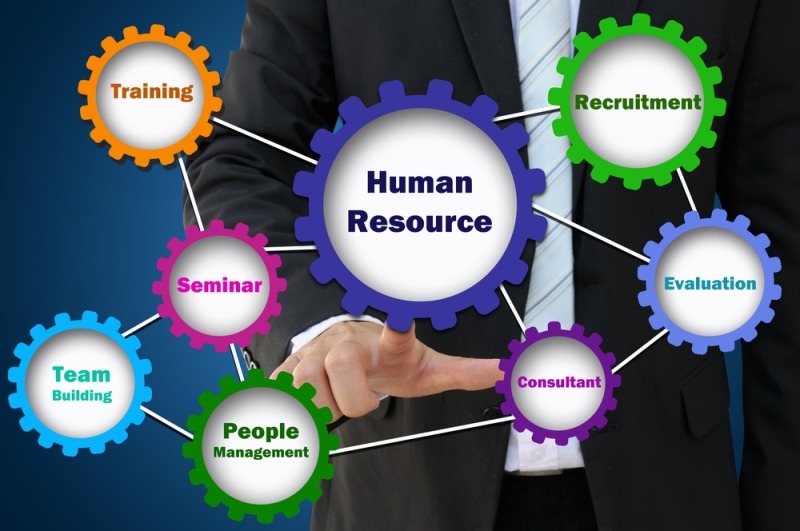
HR’s Role in Understanding the Needs of Today’s Employees
In today’s dynamic workplace, the role of Human Resources (HR) has evolved far beyond traditional recruitment and policy enforcement. HR professionals are now strategic partners tasked with shaping a positive employee experience, nurturing engagement, and supporting overall business success. One of their most critical responsibilities in this new landscape is understanding and addressing the evolving needs of employees.
The Changing Landscape of Employee Expectations
The modern workforce is more diverse and digitally connected than ever. Employees today seek more than just a paycheck—they value purpose, flexibility, well-being, and growth opportunities. Remote and hybrid work models have redefined work-life balance, and the demand for mental health support, inclusive cultures, and meaningful recognition has never been higher.
Millennials and Gen Z, who now make up a significant portion of the workforce, place strong emphasis on work culture, personal development, and organizational values. HR must adapt to these shifting expectations and create an environment that supports individual needs while aligning with business objectives.
Key Areas Where HR Plays a Strategic Role:
- Employee Engagement & Communication
Effective two-way communication is essential for understanding what employees value most. Regular pulse surveys, feedback tools, and open forums allow HR to gather insights and act on concerns in real-time. This feedback-driven approach not only boosts engagement but also fosters a sense of belonging and trust. - Flexible Work Models
HR plays a key role in designing flexible policies that accommodate different lifestyles and responsibilities. Whether through hybrid schedules, remote options, or compressed workweeks, HR must ensure these models are inclusive and equitable while maintaining productivity and team cohesion. - Career Development & Learning Opportunities
Employees crave continuous growth. HR must provide clear pathways for career advancement, upskilling, and reskilling. Learning management systems, mentorship programs, and performance coaching are vital tools that show employees the company is invested in their future. - Mental Health & Well-being
Modern HR practices place a strong emphasis on supporting mental and emotional wellness. Initiatives like employee assistance programs (EAPs), mental health days, wellness apps, and mindfulness sessions demonstrate a company’s commitment to holistic employee care. - Diversity, Equity & Inclusion (DEI)
Employees want to feel seen, respected, and represented. HR must champion DEI through inclusive hiring practices, ongoing training, and a culture where all voices are valued. A diverse workforce not only drives innovation but also enhances organizational resilience. - Technology-Driven Insights
Modern HR is data-driven. Using people analytics tools, HR teams can identify trends, predict turnover risks, and tailor initiatives to improve retention and performance. These insights allow HR to proactively address needs rather than reacting after issues arise. - Building a Culture of Recognition
Consistent recognition boosts morale and motivates employees. HR should implement structured recognition programs that celebrate achievements—big and small—and align them with core company values. - Supporting Purpose & Values Alignment
Employees want to work for organizations that stand for something meaningful. HR helps bridge the gap between corporate mission and daily employee experience by reinforcing values through onboarding, leadership communication, and everyday practices.
Conclusion
Understanding the needs of today’s employees requires HR to be empathetic, agile, and forward-thinking. It’s no longer enough to simply manage people—HR must connect with them, advocate for them, and continuously evolve alongside them. By leveraging data, fostering open communication, and prioritizing well-being and growth, HR can create a workplace where individuals feel valued, supported, and motivated to contribute their best.
In the era of employee-centric work cultures, HR is not just a department—it’s the heartbeat of organizational success.