
Growing Emphasis on Skills-Based Hiring in 2025
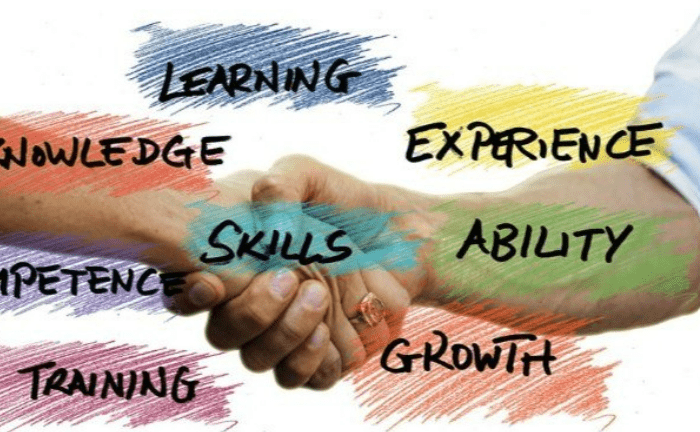
The recruitment landscape in 2025 is undergoing a significant shift as organizations increasingly prioritize skills-based hiring over traditional degree-focused approaches. Many companies, especially in the technology, finance, and healthcare sectors, are restructuring their recruitment strategies to focus on practical skills, hands-on experience, and demonstrated competencies rather than solely evaluating candidates on academic qualifications. This trend is being driven by the rapid evolution of technology and the growing need for adaptable, multi-skilled professionals who can quickly learn and apply new tools.
Recent surveys highlight that nearly 70% of employers are now integrating skills assessments and role-specific simulations into their hiring processes. This change is not only helping organizations identify the right talent but also creating more inclusive opportunities for candidates from diverse educational and professional backgrounds. By reducing dependency on rigid degree requirements, companies are broadening their talent pools and addressing persistent skills gaps in critical areas like cybersecurity, data analytics, and digital marketing.
For job seekers, this shift emphasizes the importance of continuous learning, upskilling, and certification programs to remain competitive in a dynamic job market. HR leaders believe that skills-based hiring will not only improve the quality of hires but also enhance employee engagement and retention, as candidates are matched more effectively to roles that align with their capabilities and career aspirations. As this approach gains momentum, it is expected to redefine recruitment models globally, creating a more merit-based and future-ready workforce.