
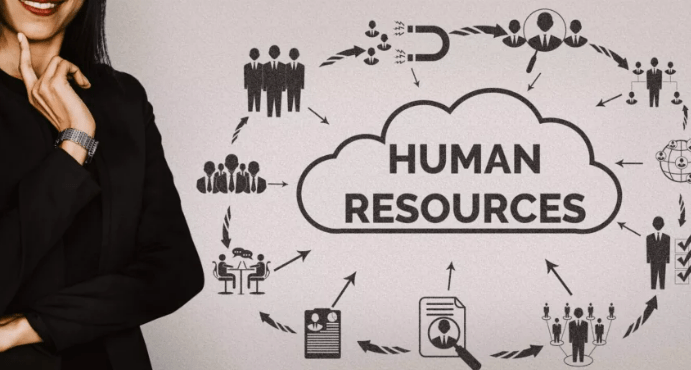
In any organization, management and resources are two essential pillars that determine growth, efficiency, and sustainability. Management ensures that tasks are planned, organized, and executed effectively, while resources—whether human, financial, technological, or material—provide the means to achieve organizational goals. When these two elements work in harmony, businesses can optimize productivity, reduce costs, and achieve long-term success.
1. Understanding Management and Its Role
Management refers to the process of planning, organizing, leading, and controlling activities to meet specific objectives. It involves coordinating people, processes, and tools to ensure smooth operations and maximum efficiency.
Key functions of management include:
- Planning: Defining goals and outlining the steps needed to achieve them.
- Organizing: Allocating resources (time, money, manpower) effectively.
- Leading: Motivating and guiding teams to perform at their best.
- Controlling: Monitoring progress and making adjustments when necessary.
Strong management also involves decision-making, problem-solving, and communication skills, ensuring that teams remain focused and motivated while overcoming challenges.
2. Types of Resources in Organizations
Resources are the assets an organization uses to meet its goals. They can be classified into several categories:
A. Human Resources (HR)
The workforce is the backbone of any business. Effective HR management includes:
- Recruiting skilled professionals.
- Providing training and development programs.
- Motivating and retaining employees through benefits and engagement.
- Ensuring compliance with labor laws and workplace policies.
B. Financial Resources
Every organization relies on funding to operate and grow. This includes:
- Capital investments.
- Budgeting and financial planning.
- Managing cash flow and expenses.
- Allocating funds for expansion, technology, and marketing.
C. Physical and Material Resources
These are the tangible assets that support operations:
- Office spaces, machinery, tools, and inventory.
- Proper maintenance to extend their lifespan and efficiency.
D. Technological Resources
Technology streamlines operations and increases competitiveness:
- Software for project management, data analytics, and automation.
- Cybersecurity systems to protect organizational data.
- Digital platforms for marketing and customer engagement.
E. Time as a Resource
Time management is crucial for meeting deadlines and staying competitive. Organizations must prioritize tasks, delegate effectively, and use productivity tools to ensure time is optimized.
3. The Connection Between Management and Resources
Effective management ensures that all resources—human, financial, and material—are used wisely to achieve organizational goals. For example:
- Managers allocate budgets to departments based on needs and priorities.
- Project managers distribute manpower and technology to maximize productivity.
- Leaders implement strategies to prevent resource wastage and reduce operational costs.
Without proper management, resources can be misused or underutilized, leading to financial losses, delays, and inefficiency.
4. Challenges in Managing Resources
Organizations often face challenges such as:
- Limited budgets restricting growth opportunities.
- Underutilized talent, where employees’ skills are not fully leveraged.
- Inefficient time management, causing project delays.
- Technology gaps, where outdated tools slow productivity.
To overcome these, managers must focus on strategic planning, resource optimization, and continuous improvement.
5. Best Practices for Effective Management and Resource Utilization
- Set Clear Goals: Define measurable objectives for teams and departments.
- Invest in Employee Development: Skilled employees are more productive and motivated.
- Leverage Technology: Use tools like ERP software, project management platforms, and automation.
- Monitor and Evaluate: Regularly review performance and resource usage to identify areas for improvement.
- Encourage Communication: Transparency across teams improves collaboration and reduces conflicts.
- Plan for the Future: Forecast resource needs based on growth projections.
Conclusion
Management and resources are inseparable in any successful organization. Strong management ensures resources are allocated wisely, while efficient resource use supports growth and innovation. By balancing these two pillars, organizations can enhance productivity, reduce waste, and achieve their strategic goals.